

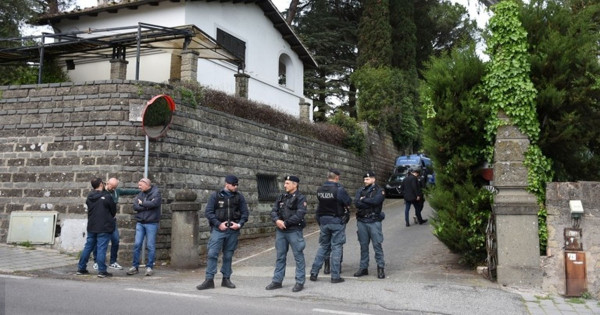
The delicate dance between Washington and Tehran took another cautious step forward this weekend as American and Iranian negotiators met in Rome—but not face-to-face. Instead, they sat in separate rooms while Omani mediators shuttled messages between them, a telling sign of just how fragile these talks remain. According to a source familiar with the discussions, the U.S. delegation made a notable shift this time around: they tried to keep their demands realistic.
That’s a far cry from President Trump’s fiery rhetoric just weeks ago, when he threatened Iran with "bombing" if no nuclear deal was reached. Now, with technical experts set to meet again before the next round of negotiations in Oman on April 26, both sides are cautiously optimistic. "We made very good progress," a U.S. official told CBS News, while Iran’s Foreign Minister Abbas Araghchi posted on X that the "relatively positive atmosphere" had allowed progress on the "principles and objectives" of a potential deal.
But let’s not mistake civility for resolution. The shadow of the failed 2015 nuclear deal—the JCPOA—looms large. Trump tore up that agreement during his first term, reimposing crippling sanctions and accusing Iran of cheating. Tehran, in turn, has steadily ramped up uranium enrichment, insisting its nuclear program is peaceful while making it clear the old deal is no longer acceptable. "Many in Tehran believe the JCPOA is no longer good enough for us," Araghchi wrote.
So what does "realistic demands" even mean in this context? For the U.S., it might involve scaling back expectations on how far Iran will roll back its nuclear advancements. For Iran, it could mean accepting that sanctions relief won’t be immediate or absolute. The truth is, neither side can afford total failure—Trump doesn’t want another Middle East war in an election year, and Iran’s economy is buckling under sanctions. But neither wants to look weak, either.
The wild card remains Trump himself. His "maximum pressure" campaign is still in full force, yet his negotiators are now signaling flexibility. Is this a genuine shift, or just tactical maneuvering? And will Iran—where hardliners see compromise as surrender—play along?
One thing’s certain: the next few weeks will test whether these two adversaries can find a narrow path to de-escalation—or whether the room in Rome was just a brief pause before another crisis.
#USIranTalks #NuclearNegotiations #MiddleEastDiplomacy #TrumpForeignPolicy #JCPOA