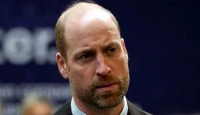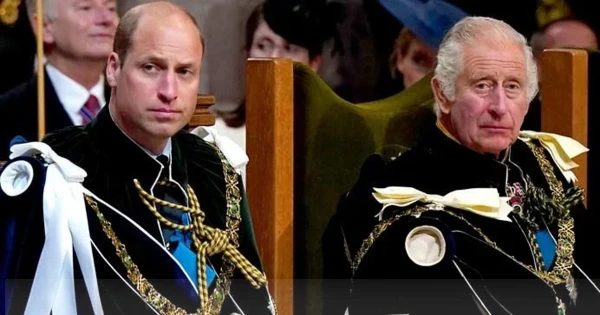
The British monarchy is facing a fresh wave of public scrutiny following the release of the official 2025/26 royal accounts, which reveal a staggering 37.5 percent increase in net expenditure. The report, which details the financial operations of the Crown, has placed King Charles III and his eldest son, Prince William, under an unexpected microscope as critics question the rising costs associated with the institution.
According to the newly published sovereign grant report, the official net expenditure by the royal family now stands at £117.2 million, a dramatic leap from the £85.2 million recorded in the previous fiscal year. This substantial increase has shocked many British taxpayers and reignited debates regarding the monarchy’s budget and its allocation of public funds.
A significant portion of this surge is attributed to essential property maintenance and restoration work. The figures indicate that the royal household spent £67.5 million on building upkeep, compared to £41.2 million the prior year. A major project currently underway is the £369 million ten-year reserved refurbishment of Buckingham Palace, which involves critical upgrades to aging electrical cabling, plumbing, and heating systems. However, it was revealed on Thursday that despite this massive financial investment, the King and Queen Camilla have no immediate plans to take up residence in the iconic London landmark, nor are any other members of the royal family likely to live there in the near future.

Beyond the physical estates, the cost of official travel has also seen a marked increase. In 2025/26, royal travel expenses rose to £5.1 million, up from £4.7 million the previous year. Among the various trips, the most expensive was Prince William’s visit to Saudi Arabia in February, costing £130,106. This singular journey even surpassed the combined cost of the King and Queen’s four-day state visit to Italy in April 2025, which totaled £126,946. The Prince of Wales also secured the third spot on the highest-cost travel list with his trip to Belém, Brazil, for the COP30 climate summit, which amounted to £78,542.
The financial breakdown also highlights rising operational costs. The royal wage bill for household staff increased to £33.7 million this year, representing an increase of £3.8 million from the previous year. Additionally, housekeeping and hospitality costs rose by £300,000, bringing the total to £3.5 million. These figures have fueled growing concerns about the overall management of the monarchy's finances during a period of economic uncertainty for the general public.
On a more positive note, the report indicates that the King and Queen have increased their official engagements. The number of public appearances carried out across the United Kingdom rose by 17 percent, surpassing 700 events for the first time in recent years. The King’s personal income, derived from the Duchy of Lancaster, also saw a slight uptick, rising from £24.4 million to £25.2 million. Meanwhile, the monarchy’s core funding is set to adjust significantly in the coming years. The Sovereign Grant is linked to the profits of the Crown Estate, and under a new formula agreed with the Government, the royal household is projected to receive £99.9 million over the next two years.
This new agreement was reportedly signed off by outgoing Prime Minister Sir Keir Starmer, Chancellor Rachel Reeves, and James Chalmers, the King’s Keeper of the Privy Purse. The decision has sparked immediate backlash from republican groups and financial watchdogs. Graham Smith, chief executive of the anti-monarchy campaign group Republic, criticized the expenditure as "out of control." He argued that Parliament must intervene to drastically cut the annual budget to below £10 million, stating that the current spending levels are unsustainable and insensitive to the economic hardships faced by citizens.
The scrutiny extends to Prince William’s personal finances as well. His annual private income from the Duchy of Cornwall, a portfolio of lands and properties established to provide income for the heir to the throne, decreased by £1.3 million, settling at £21.6 million. Despite this reduction, the income remains substantial, adding to the public debate regarding the wealth and financial disclosures of senior royals.
As the monarchy continues to evolve under King Charles III, the tension between maintaining the nation's heritage and managing fiscal responsibility remains acute. While the royal household emphasizes the necessity of the property upgrades to preserve historic buildings for future generations, the public and political pressure to justify these record-high expenditures is likely to persist. The release of these accounts has ensured that the financial habits of the royal family remain a central topic of discussion in the national discourse, prompting a deeper examination of how taxpayer money is allocated in a modern Britain.