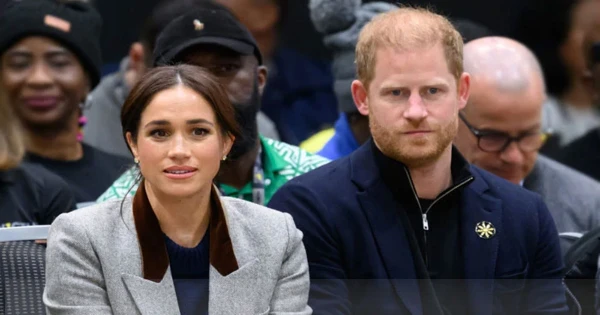
The Royal and VIP Executive Committee (RAVEC) is expediting a formal security risk assessment for Meghan Markle, with a parallel review for Prince Harry, as the couple navigates serious safety concerns while considering more time in Britain with their young children. This development reflects renewed urgency around protection protocols that have been in flux since the Sussexes stepped away from royal life.
According to a People Magazine report, RAVEC’s chairman signaled last week that entirely new assessments would be commissioned for both the Duke and Duchess following any relocation. The committee had already internally decided on Harry’s police protection before the family’s potential move, though that outcome was never disclosed to him. Officials now say they must reevaluate everything to distinguish between occasional visits and a fuller return to the UK. Harry has pressed the Home Secretary on the matter for some time, and action finally appears to be materializing.
To inform their decision, RAVEC has asked the couple to submit detailed daily schedules. That includes routine matters such as taking Prince Archie, now 7, and Princess Lilibet, 5, to school. The timing of this request coincides with the couple’s recent decision to pull their children from what would have been their first school in Britain over specific security risks.
RAVEC has yet to announce its final determination and remains in deliberation over the precise measures needed. The expedited process suggests the committee is treating the situation with heightened priority.
Since Harry and Meghan stepped back from senior royal roles in 2020, the loss of automatic, taxpayer-funded police protection has created ongoing complications. Their subsequent high-profile projects, including a Netflix series and Harry’s bestselling memoir, have kept them squarely in the global spotlight, a reality that can amplify threats in an era when social media can rapidly escalate risks for public figures.
Why This Matters
This security review highlights the lasting complexities created by the 2020 departure known as Megxit, which fundamentally altered how the British government supports non-working royals. For a U.S. audience long fascinated by the couple’s Montecito life and philanthropic efforts, the situation underscores the personal trade-offs involved when high-visibility figures seek independence while raising children under constant scrutiny. How Britain ultimately balances these protection decisions carries implications not only for the Sussexes but for broader questions around public funding, family safety, and the monarchy’s evolving role in the 21st century.
As RAVEC continues its work without a announced timeline, the outcome will likely influence how freely Harry, Meghan and their children can spend time in the United Kingdom in the months and years ahead. The family maintains its primary home in California but has expressed interest in preserving stronger British connections when proper safeguards exist.