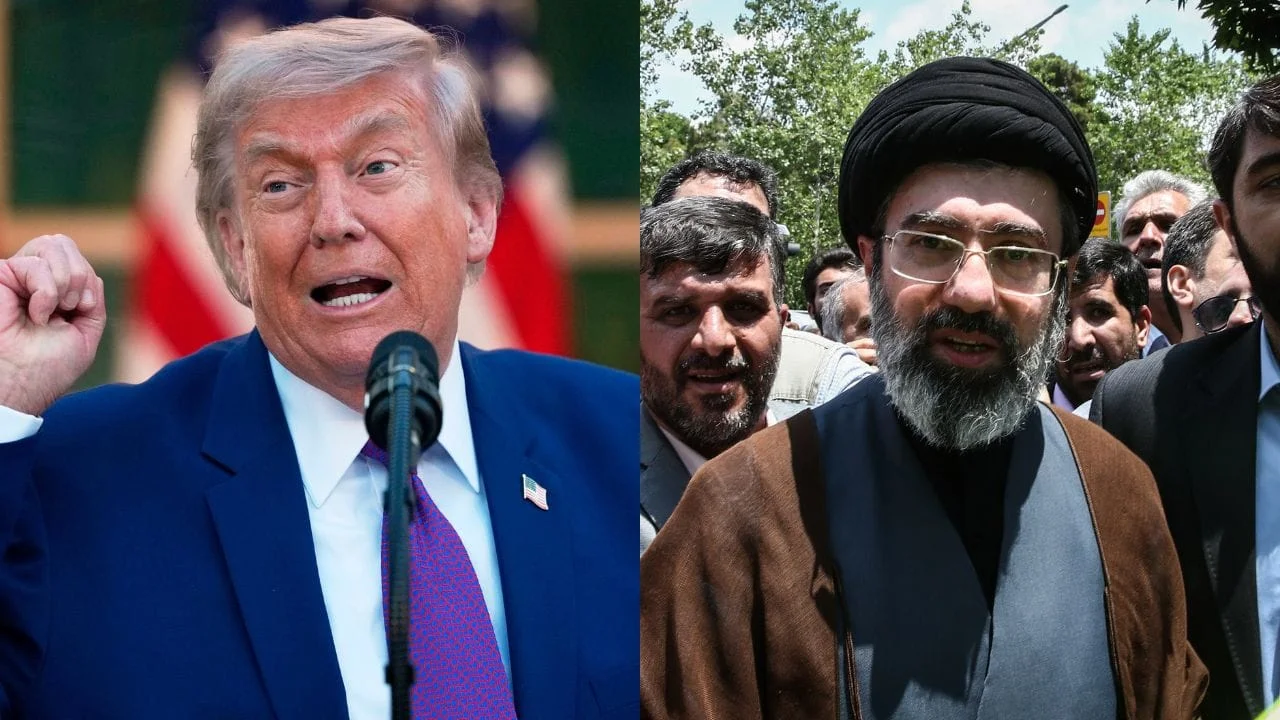
The United States and Iran have reached a landmark agreement aimed at ending months of devastating conflict in the Middle East. The deal is expected to reopen the crucial Strait of Hormuz and pave the way for broader diplomatic engagement. The announcement has already triggered a significant drop in global oil prices.
The preliminary accord, described as a memorandum of understanding, was electronically signed by US President Donald Trump, Vice President JD Vance, and Iranian Parliament Speaker Mohammad Bagher Ghalibaf. A formal signing ceremony is scheduled to take place on June 19 in Geneva, Switzerland, where detailed negotiations are set to begin.
President Trump confirmed the deal while attending the G7 summit in France, stating that the Strait of Hormuz would be "completely open" by Friday. The waterway has been effectively closed since the war began on February 28, disrupting approximately one-fifth of the world's oil supply and sending energy prices soaring .

The agreement includes an immediate cessation of military operations on all fronts, including in Lebanon where Israel and Hezbollah have been engaged in heavy fighting. The deal also mandates the lifting of the US naval blockade on Iranian ports and the removal of mines from the strategic waterway.
Oil markets responded positively to the news, with US crude prices falling to around $80 per barrel. This marks a significant decline from the peak of over $120 per barrel reached during the height of the conflict in April, when fears of a wider regional war gripped global markets.
Critical issues, including the future of Iran's nuclear program and the fate of its enriched uranium stockpile, have been deferred to a subsequent 60-day negotiation period. President Trump has insisted that the agreement ensures Iran will never acquire nuclear weapons, stating that this condition is made "loud and clear" in the accord.
The deal came after intensive mediation efforts led by Pakistan, with significant contributions from Qatar, Saudi Arabia, and Turkey. These countries worked to bridge differences between the two sides, leading to the breakthrough after over two months of diplomatic efforts.
Despite the positive momentum, significant challenges remain. Israeli Prime Minister Benjamin Netanyahu has expressed reservations about the agreement and stated that Israel is not bound by its provisions. He has maintained that Israeli forces will remain in southern Lebanon as long as necessary to counter Hezbollah.
Factions within Iran have also criticized the agreement, with some hardliners labeling it a "humiliating capitulation." The complex negotiations over Iran's nuclear capabilities and ballistic missile program are expected to be difficult, with both sides holding deeply entrenched positions.
World leaders have broadly welcomed the agreement. The leaders of Britain, France, Germany, and Italy issued a joint statement expressing readiness to support the reopening of the Strait of Hormuz through a defensive mine-clearance mission. They emphasized the importance of restoring free navigation through this critical global trade route.
Economic experts caution that the full effects of the reopening may take time to materialize. While oil prices have already dropped on market expectations, analysts estimate it could take several months for shipping to fully resume and for energy supplies to stabilize at pre-war levels.
The conflict has taken a heavy toll on the region, with an estimated 7,000 people killed, primarily in Iran and Lebanon. The war also caused widespread economic disruption, forcing countries around the world to draw down their strategic petroleum reserves at an unprecedented rate.
The agreement represents a significant diplomatic achievement for the Trump administration, which had launched military strikes against Iran alongside Israel in February. The deal also marks a potential turning point for Iran, offering the prospect of sanctions relief and economic recovery after months of financial strain.
As the international community turns its attention to the formal signing ceremony on June 19, the focus now shifts to the upcoming talks on Iran's nuclear program. The success of this preliminary agreement depends on both sides' ability to reach a comprehensive resolution on the most contentious issues within the 60-day framework.