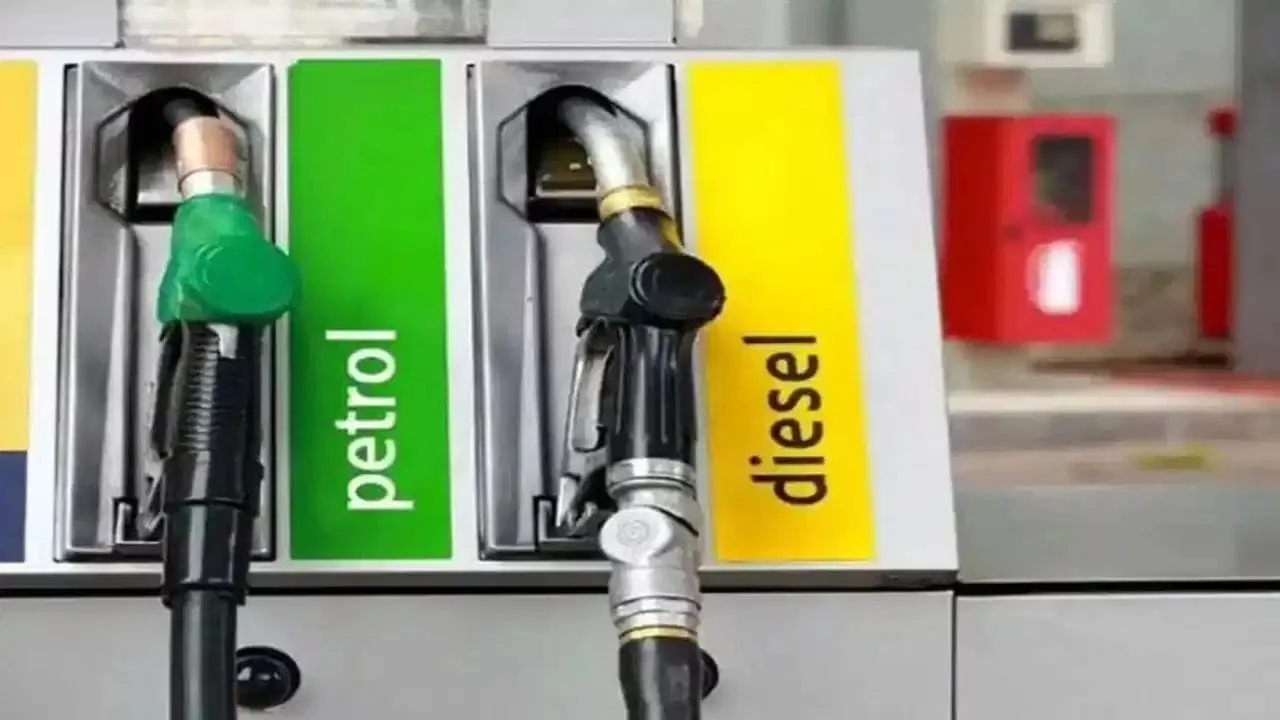
The Indian government has increased the windfall profit tax on diesel and aviation turbine fuel (ATF) exports, effective June 16. This decision comes despite easing tensions in West Asia and a recent decline in global crude oil prices. The tax adjustments aim to balance domestic fuel availability with international market dynamics.
The special additional excise duty (SAED) on diesel exports has been raised from 13.5 rupees per litre to 14 rupees per litre. Similarly, the SAED on ATF exports has increased from 9.5 rupees to 12.5 rupees per litre. The tax rate on petrol exports remains unchanged at 1.5 rupees per litre, according to official notifications.
Domestic petrol and diesel tax rates remain unaffected by these export duty adjustments. The government has maintained existing tax structures for fuel sold within the country. This approach ensures that domestic consumers do not face additional burdens while export policies are recalibrated.
Sunny Leone Biography: From Global Adult Entertainment Star to Bollywood Icon and Entrepreneur

The timing of this tax revision coincides with significant geopolitical developments in West Asia. Recent reports indicate that tensions in the region have subsided considerably. United States President Donald Trump has announced that the strategic Strait of Hormuz will be fully reopened to shipping by Friday.
Market observers note that global oil prices have already started responding to these positive geopolitical signals. Crude prices have declined in international markets following the easing of regional conflicts. Investors are now anticipating further market stabilisation as the critical waterway prepares for full operation.
The Strait of Hormuz blockage began after joint military actions by Israel and the United States against Iran on February 28. Iran responded with retaliatory strikes on American military installations across West Asia. This escalation prompted Tehran to impose restrictions on the strategic maritime passage.
The disruption of the Strait of Hormuz significantly impacted global energy markets and supply chains. The waterway serves as a critical transit route for approximately 20 percent of the world's oil supplies. Its blockage created substantial uncertainty in international crude prices and shipping logistics.
India initially introduced the windfall tax on diesel and ATF exports on March 26. The government expanded this tax to include petrol exports on May 16. These measures were designed to ensure adequate domestic fuel supplies during the volatile period.
The government maintains that the tax structure protects domestic markets from international price volatility. Exporters were generating excessive profits from higher global oil prices during the crisis period. The tax prevents them from prioritising lucrative international markets over domestic supply obligations.
Industry experts suggest that domestic refineries must balance export opportunities with local requirements. The windfall tax mechanism discourages excessive exports when international prices surge above domestic levels. This approach helps maintain stable fuel availability for Indian consumers and businesses.
The current adjustments reflect the government's ongoing monitoring of global energy market conditions. Officials continue to evaluate the tax structure based on international price movements and domestic needs. The modest increase in diesel and ATF export duties demonstrates this responsive approach.
Petroleum product exports remain an important revenue source for Indian refiners despite the tax structure. The government's policy aims to capture excess profits while maintaining competitive export capabilities. This balanced approach supports both national energy security and the refining industry's commercial interests.
Domestic fuel consumers have largely been shielded from international price fluctuations through various policy mechanisms. The government has prioritised stable retail prices while managing export volumes effectively. This strategy has helped contain inflationary pressures despite global market uncertainty.
The upcoming full reopening of the Strait of Hormuz is expected to further stabilise energy markets. Shipping routes through the Persian Gulf will return to normal operations shortly. This development could lead to additional price reductions in global crude markets over time.
Global energy analysts continue to monitor geopolitical developments affecting oil supply routes. The resolution of West Asian tensions represents a positive shift for international trade. Market participants are cautiously optimistic about sustained stability in energy prices moving forward.
The Indian government's tax policies reflect broader concerns about energy security and economic stability. Export duties serve as tools to manage market behaviour and protect domestic interests. These measures demonstrate proactive governance in response to evolving global circumstances.