

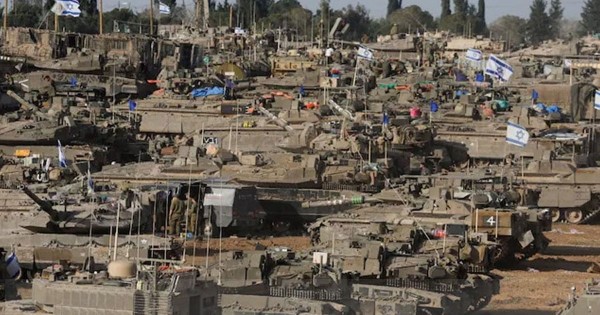
Israel has initiated a daily halt in military operations across three key areas of Gaza—Al‑Mawasi, Deir al‑Balah, and Gaza City. The pause runs from 10 a.m. to 8 p.m. local time and aims to enable minimal delivery of humanitarian aid.Yahoo+15Reuters+15Straight Arrow News+15
Designated safe routes will also be open from 6 a.m. until 11 p.m. each day. These corridors are intended to facilitate UN and NGO convoys delivering food, water, and medical supplies amid worsening conditions.Reuters+2Reuters+2The Wall Street Journal+2
Aid delivery remains constrained. While trucks and airdrops have resumed, only limited supplies move through each day. UN agencies report delays in coordination and only about 30% of planned aid trips were fully facilitated last week.Straight Arrow NewsThe Washington PostThe Guardian
Despite the pause, violence continues. Israeli strikes reportedly killed dozens—including at least 41 Palestinians within hours of the pause starting—and targeted areas previously declared safe.Wikipedia+15AP News+15Newsweek+15
Health authorities state the hunger crisis is worsening. At least 133 deaths in July from malnutrition have been reported, including many children. Nearly 500,000 people now face famine-like conditions across the Gaza Strip.The Wall Street Journal+1The Washington Post+1
International pressure is mounting. UN officials accuse Israel of blocking aid access deliberately, while Israeli leaders deny starvation claims and blame Hamas for aid disruption.Reuters+3The Guardian+3The Washington Post+3
Jordan, the UAE, and other countries have begun parachuting aid supplies into Gaza. At least seven pallets containing flour, sugar, and canned goods have been dropped in northern Gaza, though parachutes injured some civilians.Axios+12China Daily Asia+12Sky News+12
Aid trucks have resumed entry through the Kerem Shalom and Rafah crossings. More than 100 truckloads were allowed in a recent delivery wave, and electricity has been restored to a key water treatment plant.AP News+2The Washington Post+2The Times+2
The World Food Programme says it holds enough food to feed Gaza’s population for nearly three months. Aid groups stress that only a full ceasefire could ensure sustained aid access and avert mass starvation.The Times+4Axios+4The Guardian+4
Negotiations for a broader ceasefire collapsed recently. The US and Israel pulled out of talks after accusing Hamas of obstructing progress. Hamas demanded a full Israeli military withdrawal in exchange for hostages.The Guardian+1New York Post+1
Israel has defined the measure as a “tactical pause” coordinated with UN agencies. Officials describe it as a temporary adjustment to address the humanitarian crisis while continuing broader military goals.Sky News+2Straight Arrow News+2AP News+2
Humanitarian agencies welcome the pause but warn it may last only a week. They urge continuous scaling up of aid efforts to meet urgent needs in food, medicine, and shelter.The IndependentThe Guardian
The pause is a response to global outrage over images of malnourished children and overwhelming hunger in Gaza. International calls for ceasefire and Palestinian state recognition are intensifying.Reuters+15The Independent+15The Guardian+15
While minimal aid is reaching Gaza, conditions remain dire. Thousands continue to queue for supplies amid persistent violence, raising doubts about the humanitarian window’s effectiveness.The GuardianAl Jazeera
Overall, Israel’s new daily pause offers some relief, but aid remains insufficient and short-lived. Observers emphasize that only an unconditional, sustained ceasefire could meet Gaza’s mounting humanitarian needs.